jobskorea.jpg)
studykorea.jpg)
universities.jpg)
🌸 The Heart of Korea: Understanding Korean Etiquette & Traditions
Why bowing, showing respect, and rice cakes matter more than you think…
Korean culture is rich, warm, and deeply rooted in respect — and if you’ve ever watched a K-drama and wondered why is everyone bowing so much? or why is age such a big deal? Then trust me, you’re not alone. 💭 Let’s take a gentle walk through the heart of Korean etiquette and traditions, where every single gesture tells a story, and every custom carry generation of meaning. Are you ready? Then let’s go!
🫶 1. Bowing: More Than Just a Greeting
You might see Koreans bow too often in daily lifestyle. In Korea, bowing isn’t just a “hello” — it’s a whole language of respect.
● A small nod - casual or friendly hello
● A 45-degree bow - formal respect, used for elders, bosses, ceremonies
~Your boss might not enjoy your small nod…
● A deep bow (큰절, keun-jeol) - done during holidays or funerals
And yes, the deeper the bow, the deeper the respect. Let’s just say bowing is their reflex.
It’s like… emojis in real life. Just less chaotic. 😌
🎂 2. Age Matters (A Lot)
Korean society is hierarchical, that means age is very important. Yup, important than your name. (Just kidding… maybe not?)
When two people meet in Korea, their first question is often:
“How old are you?” (몇 살이에요?)
Nope, not to be nosy — it’s just to figure out how to speak to you properly! (Just Korean things)Wonder why? Because:
● Language changes based on age (honorifics vs casual speech)
~Speaking Korean language depends on the age of the person you are talking to. (Imagine calling your senior “Bro”, just because you ‘thought’ they are same as you… might make things awkward… maybe rude.)
● Younger people are expected to defer to older ones
~In Korea, people are taught to respect the elders and use honorifics in every single sentence. (Yeah, it might get confusing for foreigner but… that’s Korea for you. You can’t run away from it!)
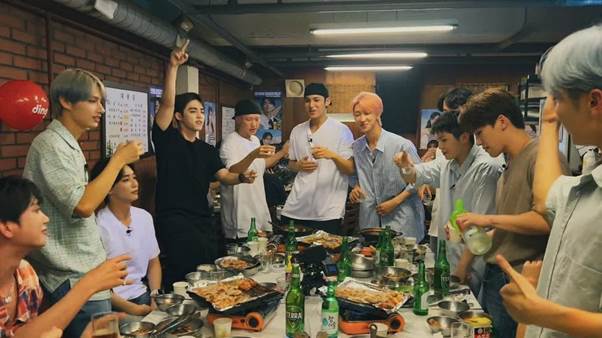
● Drinking, dining, and even sitting order follows this structure
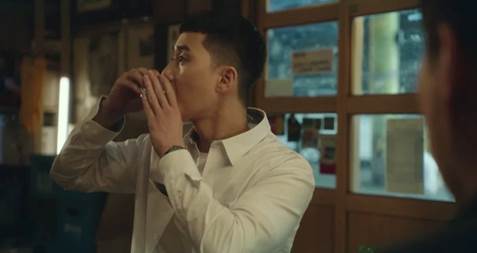
~You’ll might have seen in the K-dramas or any variety show that how Korean (those who are sitting with elders 연장자들 or seniors 선배들) turns their head to drink. It all show their respect for someone who are older than them.
Think of it as… social respect based on life experience.
(But yes, it does make dating a little more complicated 😅)
🍚 3. Eating Together: Rituals at the Table
Food in Korea isn’t just food — it’s love, care, and unspoken rules.
Here’s how meals often go:
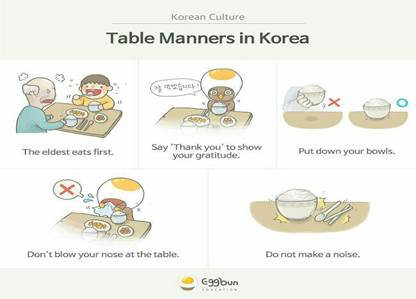
● Elders eat first. Always. (Respect… as I told)
● Don’t stick your chopsticks vertically in rice (it resembles a funeral ritual).
● Pour drinks for others, especially elders — never for yourself.
● Accept drinks with both hands to show respect.
~Ever wonder why Koreans use both hands in giving or accepting things? It’s all the respect. It considers rude for using a single hand while receiving or giving things to others (you don’t know or are elders).
Oh, and sharing is caring — expect everyone to dig into all the side dishes together.
(Yes, the kimchi is for everyone 💁♀️)
🪞 4. Respect Through Language: Honorifics
Korean is a language that breathes and lives respect.
Different verbs, nouns, and titles are used based on who you're speaking to. (Disclaimer: it matters … THE MOST)Examples:
● 친구 (chingu) = friend (same age)
● 형/오빠 (hyeong/oppa) = older brother
● 언니/누나 (eonni/nuna) = older sister
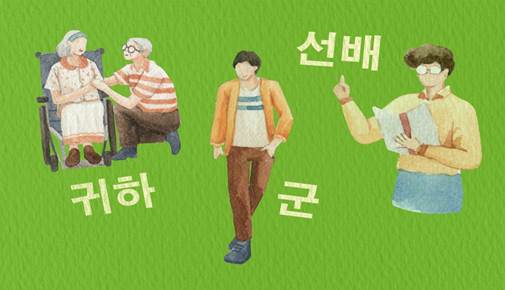
● 선배/후배 (sunbae/hoobae) = senior/junior
Even a casual sentence like “I ate” changes completely based on who you’re talking to!
Fun, right? And also, a little brain-twisty. 😅
🎁 5. Gifts, Gestures, and Holidays
Korean traditions value giving — whether it’s gifts, time, or small acts of care. There are plenty of traditions and festivals in Korea.
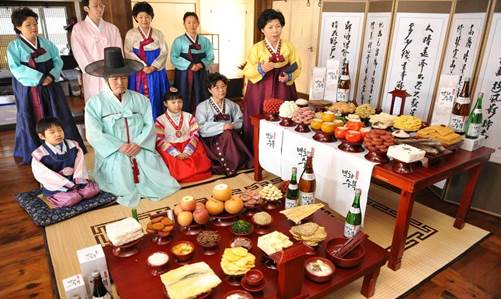
● During Chuseok 추석 (Korean Thanksgiving) and Seollal 설날(Lunar New Year), families gather, wear hanbok 한복, perform ancestral rites, and exchange gifts.
● It’s polite to give and receive gifts with both hands. (Respect matters…)
● Gifts don’t have to be fancy — it’s the thought and formality that counts!
And yes, expect rice cakes (tteok) to appear on literally every special occasion
(Again, that’s Korea for you.)
💌 6. Jeong (정): The Untranslatable Emotion
Let’s end on something soft and beautiful — the Korean concept of jeong.
Jeong is a deep, emotional connection that builds slowly between people.
It’s hard to define — it’s not quite love, not quite friendship… but a warm, invisible thread that ties people together through shared experience.You feel jeong when:
● A grandmother packs you extra side dishes “just in case”
● A coworker silently makes you tea when you look tired
● Your landlord brings you tangerines in winter 🍊
It's the real heart of Korea — not flashy, not loud, but unforgettable.
🌿 Final Thoughts
Korean etiquette isn’t about being stiff or overly formal.
It’s about showing care and respect — in how you speak, how you eat, how you move through the world.Whether you're planning to visit Korea, binge-watching your way through K-dramas, or learning the language — understanding these cultural nuances will make your journey so much richer, that you might wanna stay there. 💖
Because at the heart of Korean traditions… is kindness, connection, and a little bit of kimchi. 😉